Palmer's Point Laparoscopy - Basic Open General Surgical Techniques Module 1 Basic Practical Skills In Obstetrics And Gynaecology - Needle entry was successful on the first attempt in 97% of
Get link
Facebook
X
Pinterest
Email
Other Apps
Palmer's Point Laparoscopy - Basic Open General Surgical Techniques Module 1 Basic Practical Skills In Obstetrics And Gynaecology - Needle entry was successful on the first attempt in 97% of. In the last three decades, rapid advances in laparoscopic surgery have made it an invaluable part of general surgery, but there remains no clear consensus on an optimal method of entry into the peritoneal cavity. Palmer's point is often used today for left upper quadrant laparoscopic entry. A small incision is made to allow the insertion of the veress needle through the left subcostal margin. For example, when performing laparoscopic hysterectomy for a large bulky uterus or when extensive pelvic adhesions are suspected due to previous pelvic surgery, endometriosis, or pelvic inflammatory disease, the initial trocar is placed outside the pelvis, either above the umbilicus or at palmer's point (see the images below). We take you step by step through this technique to help avoid bowel.
In two patients, laparoscopic entry via palmer's point was unsuccessful despite two attempts, and subumbilical insufflation was then used to start the laparoscopy. It is situated in the midclavicular line, about 3 cm below the costal margin, and is used in patients with known or anticipated umbilical adhesions. The aim of this paper is to focus on the evolution of two used methods of. In the last three decades, rapid advances in laparoscopic surgery have made it an invaluable part of general surgery, but there remains no clear consensus on an optimal method of entry into the peritoneal cavity. Mean time to establish pneumoperitoneum was 5.63 minutes (range, 4 to 8 minutes).
Laparoscopic Entry Techniques What Is The Controversy Monnet 2019 Veterinary Surgery Wiley Online Library from onlinelibrary.wiley.com Raoul palmer was a french gynaecologist. When umbilical entry is contraindicated we use the left upper quadrant or palmer's point. Needle entry was successful on the first attempt in 97% of We take you step by step through this technique to help avoid bowel. In patients known or suspected to have periumbilical adhesions, open entry technique (hasson method) or alternative sites other than umbilicus for insertion may be chosen, palmer's point is the most preferred. Urologic laparoscopy, transperitoneal subcostal access, palmer's point, large chinese center. When umbilical entry is contraindicated we use the left upper quadrant or palmer's point. There were no complications that could be attributed to the mode of laparoscopic entry in either group.
Remember to tell anesthesia to put in an og tube.
We feel that this technique can provide a safe We take you step by step through this technique to help avoid bowel injury. You can access the minimal access surgery tutorial for just £48.00 inc vat.uk prices shown, other nationalities may qualify for reduced prices.if this tutorial is part of the member benefit package, fellows, members, registered trainees and associates should sign in to access the tutorial. Laparoscopic entry is a blind procedure and it often represents a problem for all the related complications. This entry technique should be used routinely in urologic laparoscopic surgeries. Remember to tell anesthesia to put in an og tube. There were no complications that could be attributed to the mode of laparoscopic entry in either group. In two patients, laparoscopic entry via palmer's point was unsuccessful despite two attempts, and subumbilical insufflation was then used to start the laparoscopy. Palmer's point access for laparoscopic prostatectomy—tüfek et al 154 urology journal vol 7 no 3 summer 2010 and prior abdominal operations. Five of them were found to have extensive periumbilical adhesions. In the last three decades, rapid advances in laparoscopic surgery have made it an invaluable part of general surgery, but there remains no clear consensus on an optimal method of entry into the peritoneal cavity. The aim of this paper is to focus on the evolution of two used methods of. Urologic laparoscopy, transperitoneal subcostal access, palmer's point, large chinese center.
In 8 patients with prior abdominal operations and Urologic laparoscopy, transperitoneal subcostal access, palmer's point, large chinese center. Palmer's point is often used today for left upper quadrant laparoscopic entry. In patients known or suspected to have periumbilical adhesions, open entry technique (hasson method) or alternative sites other than umbilicus for insertion may be chosen, palmer's point is the most preferred. It is where adhesions are least likely to be found following previous surgery (except with splenectomy).technique
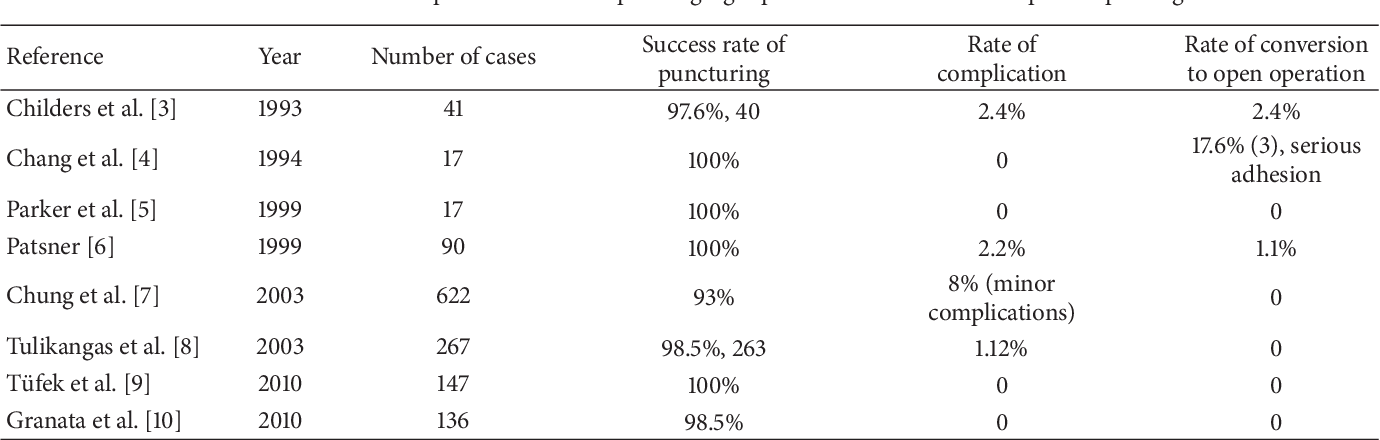
Table 2 From Transperitoneal Subcostal Access For Urologic Laparoscopy Experience Of A Large Chinese Center Semantic Scholar from d3i71xaburhd42.cloudfront.net When umbilical entry is contraindicated we use the left upper quadrant or palmer's point. In patients known or suspected to have periumbilical adhesions, open entry technique (hasson method) or alternative sites other than umbilicus for insertion may be chosen, palmer's point is the most preferred. There were no complications that could be attributed to the mode of laparoscopic entry in either group. 19 this technique should be considered for patients with previous laparotomy or obesity, and for exceptionally thin patients. Palmer's point and the corresponding right location are feasible, effective and safe for initial access in urologic laparoscopic surgeries. A small incision is made to allow the insertion of the veress needle through the left subcostal margin. The aim of this paper is to focus on the evolution of two used methods of. Gynecologic laparoscopy, laparoscopic entry, palmer's point a laparoscopic procedure requires gaining entry into the abdomen for gas insufflation and insertion of primary and secondary trocars.
This method has been used in 15 patients and allowed the adhesions to be cleared where necessary.
Palmer's point and the corresponding right location are feasible, effective and safe for initial access in urologic laparoscopic surgeries. We take you step by step through this technique to help avoid bowel. Safe abdominal entry in laparoscopic surgery is still debated. In 8 patients with prior abdominal operations and Raoul palmer was a french gynaecologist. Mean time to establish pneumoperitoneum was 5.63 minutes (range, 4 to 8 minutes). Urologic laparoscopy, transperitoneal subcostal access, palmer's point, large chinese center. Palmer's point access for laparoscopic prostatectomy—tüfek et al 154 urology journal vol 7 no 3 summer 2010 and prior abdominal operations. In two patients, laparoscopic entry via palmer's point was unsuccessful despite two attempts, and subumbilical insufflation was then used to start the laparoscopy. When umbilical entry is contraindicated we use the left upper quadrant or palmer's point. A small incision is made to allow the insertion of the veress needle through the left subcostal margin. 19 this technique should be considered for patients with previous laparotomy or obesity, and for exceptionally thin patients. The left upper quadrant or palmer's point was developed by raoul palmer who advocated the insertion of the veress needle at a range of 3 cm below the left subcostal in the midclavicular line (fig.
This entry technique should be used routinely in urologic laparoscopic surgeries. Laparoscopic entry is a blind procedure and it often represents a problem for all the related complications. Intestinal or omental injury can occur if the trocar is inserted directly through the umbilical fossa. This method has been used in 15 patients and allowed the adhesions to be cleared where necessary. There are only a few published studies concerning the use of palmer's point and the corresponding right point as the initial access sites in laparoscopic surgeries 3456789 10.
Figure 1 From Transperitoneal Subcostal Access For Urologic Laparoscopy Experience Of A Large Chinese Center Semantic Scholar from d3i71xaburhd42.cloudfront.net Raoul palmer was a french gynaecologist. The aim of this paper is to focus on the evolution of two used methods of. In 8 patients with prior abdominal operations and This method has been used in 15 patients and allowed the adhesions to be cleared where necessary. Intestinal or omental injury can occur if the trocar is inserted directly through the umbilical fossa. Palmer's point and the corresponding right location are feasible, effective and safe for initial access in urologic laparoscopic surgeries. It is where adhesions are least likely to be found following previous surgery (except with splenectomy).technique We introduced a new point for veress needle insertion to create pneumoperitoneum during difficult laparoscopic procedures.
Indications for the use of palmer's point are the following:
This method has been used in 15 patients and allowed the adhesions to be cleared where necessary. We feel that this technique can provide a safe The mean number of needle punctures was 1.57 1.02 in the latif's point group and 2.9 1.5 in the palmer's point group (p ≤ 0.5). In 8 patients with prior abdominal operations and Mean time to establish pneumoperitoneum was 5.63 minutes (range, 4 to 8 minutes). In patients known or suspected to have periumbilical adhesions, open entry technique (hasson method) or alternative sites other than umbilicus for insertion may be chosen, palmer's point is the most preferred. For example, when performing laparoscopic hysterectomy for a large bulky uterus or when extensive pelvic adhesions are suspected due to previous pelvic surgery, endometriosis, or pelvic inflammatory disease, the initial trocar is placed outside the pelvis, either above the umbilicus or at palmer's point (see the images below). This entry technique should be used routinely in urologic laparoscopic surgeries. Safe abdominal entry in laparoscopic surgery is still debated. About press copyright contact us creators advertise developers terms privacy policy & safety how youtube works test new features press copyright contact us creators. Intestinal or omental injury can occur if the trocar is inserted directly through the umbilical fossa. Urologic laparoscopy, transperitoneal subcostal access, palmer's point, large chinese center. You can access the minimal access surgery tutorial for just £48.00 inc vat.uk prices shown, other nationalities may qualify for reduced prices.if this tutorial is part of the member benefit package, fellows, members, registered trainees and associates should sign in to access the tutorial.
Raoul palmer was a french gynaecologist palmer's point. The aim of this paper is to focus on the evolution of two used methods of.


Comments
Post a Comment